
Reflections on Franz Schubert's «Fantasy»
by Thomas Riebl
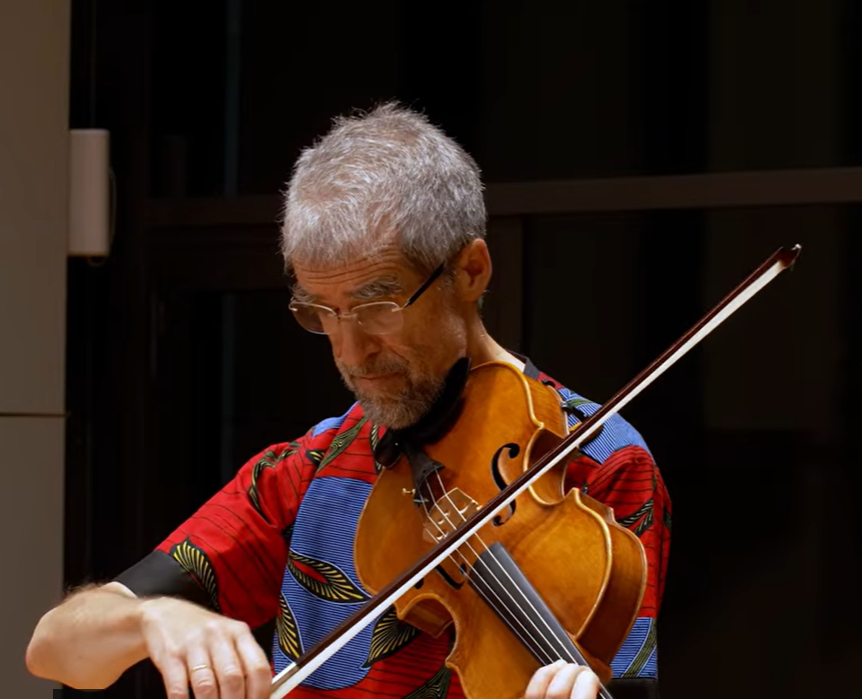
Personally, Schubert’s Fantasia has always moved and fascinated me in equal measure. It moves me in that uniquely Schubertian way which is so difficult to put into words—a blend of intimacy, melancholy, and quiet grandeur. This becomes particularly striking when he quotes his song Sei mir gegrüsst from 1822 and integrates it into the broader context of the Fantasia. These moments possess a timeless quality that speaks directly to the listener and continues to resonate long afterwards.
At the same time, I am deeply fascinated by the masterful way in which Schubert shapes a dramatic arc that ranges from elegiac serenity to dazzling virtuosity. The Fantasia demands the highest level of techni
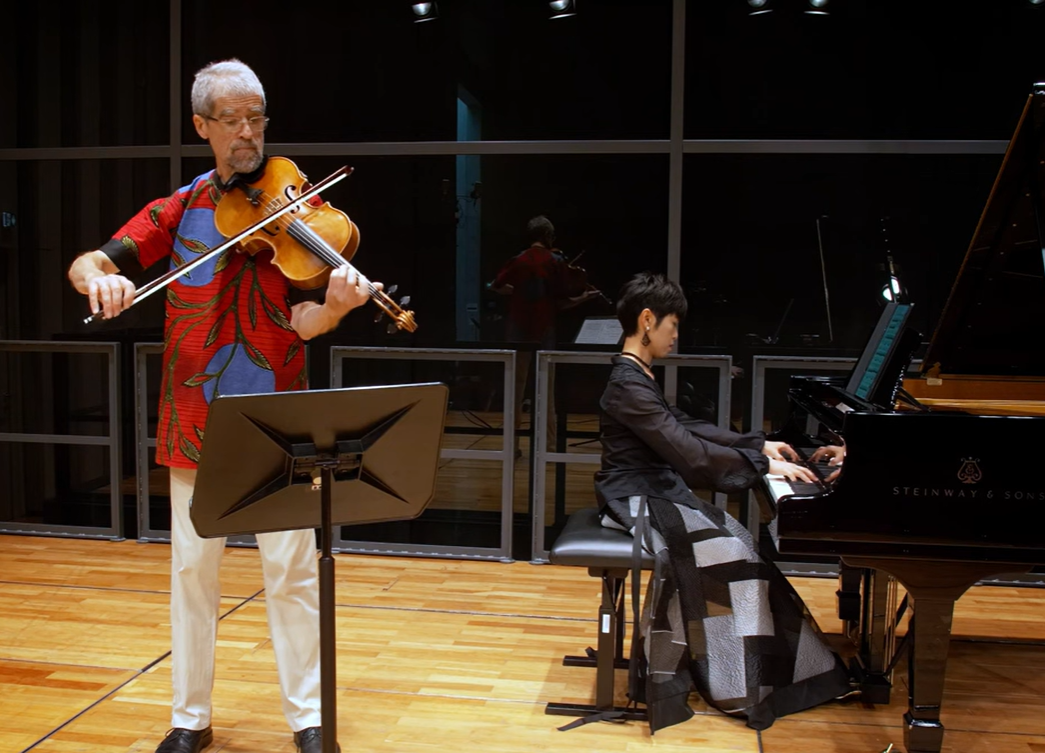
My good friend and colleague Rudolf Leopold had already drawn my attention some time ago, through his own arrangement, to the fact that this extraordinary work can also unfold with great conviction on the viola. The idea stayed with me for a long time and continued to occupy my thoughts.
After some hesitation and much careful reflection, I eventually decided to create my own version. It was of great importance to me to preserve the character and expressive power of the original while at the same time bringing out the unique qualities and sonorities of the viola. I very much hope that this arrangement will find its place in the repertoire of many violists and help to make this fascinating work accessible from a new and distinctive perspective.
More information:
Add comment
Schubert, Franz (1797–1828)
Fantasie
for Viola and Piano
Original for Piano and Violin, D 934—Op. 159
Score and viola part marked
» To the edition with preview
Fantasie
for Viola and Piano
Unmarked viola part
» To the DOW edition with preview
Viola Newsletter |
 Do you don't want to miss any news regarding viola anymore? Our monthly viola news letter will keep you informed.
» Subscribe to our viola letter for free
|
|
 Visit us on Instagram and don't forget to join our music community and share your thoughts about the composer or any other viola-related ideas!
» Music4Viola on Instagram
|
|
 Visit and like us on Facebook. The news articles are also posted.
» Music4Viola on Facebook